Residency Programs
- Four-Year Diagnostic Radiology Residency
- Five-Year Clinician Scientist Radiology Residency (T32 Grant)
- Integrated Interventional Radiology Residency
The five-year clinician-scientist pathway offers three spots per year and is designed to train the future generation of radiology clinician-scientists who push the limits of radiology and position themselves for a prestigious career in academic radiology. The program comprises one year dedicated to research (PGY-2) and four subsequent years of clinical radiology (see Four-Year Diagnostic Radiology Residency), during which, on average, six weeks of protected research time are incorporated each year.
The program is supported in part by an NIH T32 training grant and allows residents to work with world-renowned investigators in all fields of imaging science to select a project that will best meet their research and career goals. Residents are provided with support and guidance as they engage in cutting-edge research that will ultimately shape the future of radiology — diagnostic, interventional and therapeutic. Publications and participation in radiology conferences and society meetings are encouraged and fully funded by the department for presenting authors. There are no clinical obligations during the first year, and the salary is commensurate with that of the clinical PGY-2 position.
Only U.S. citizens, non-citizen nationals, and permanent U.S. residents may be appointed to a T32.
We are continually updating our magnets, scanners, angiography suites and other clinical imaging facilities to remain at the forefront of imaging technology and research.
Join our NIH-funded five-year pathway for future leaders in academic radiology.
nsbarkley@health.ucsd.edu
Rebecca Rakow-Penner, MD, PhD
Five-Year Clinician-Scientist Residency Program Co-Director
Associate Professor, Radiology

Fanny Chapelin, PhD
Five-Year Clinician-Scientist Residency Program Co-Director
Assistant Professor, Radiology and Bioengineering

Eric Y Chang, MD
Five-Year Clinician-Scientist Residency Program Co-Director
Adjunct Professor, Radiology
The clinician-scientist pathway is a five-year program with the PGY-2 year dedicated completely to research. There are no clinical duties during this year to allow for focus on designing and implementing a substantive research project. The subsequent four years follow the diagnostic pathway curriculum, integrating, on average, six weeks per year of protected research time. Learn more about the diagnostic radiology curriculum.
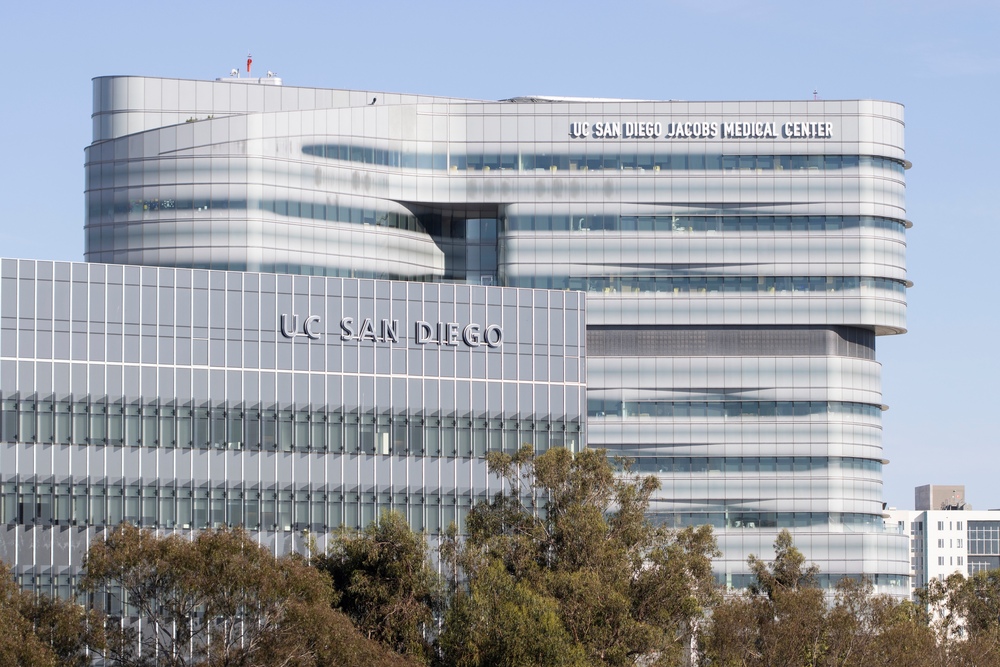
Our diverse clinical sites provide a comprehensive learning environment, exposing residents to a wide range of complex cases and state-of-the-art procedures. This multi-site approach ensures that our trainees gain the skills, knowledge and experience needed to excel in interventional radiology and beyond.